
Oscar Whitfield Wins 2026 Young Wildlife Photographer of the Year
A dung beetle pushing a ball of dung across the ground may seem like a small scene. But this moment has brought international attention to young photographer Oscar Whitfield. On 13 October 2026, Whitfield was announced as the 2026 Young Wildlife Photographer of the Year for his black-and-white photograph, Labour of Love.
The image was captured in Zimbabwe and celebrates both wildlife photography and the often-overlooked role of insects in nature. The announcement helps competitive-exam preparation because it links a major international award to biodiversity and ecosystem functions. Oscar Whitfield won the young title, but not the adult overall title.
Quick facts about Oscar Whitfield’s winning photograph
- Photographer: Oscar Whitfield
- Award: 2026 Young Wildlife Photographer of the Year
- Photograph: Labour of Love
- Subject: A dung beetle pushing dung
- Location: Zambezi National Park, Hwange District, Zimbabwe
- Announced by: Natural History Museum, London
- Announcement date: 13 October 2026
Read the next article: President Droupadi Murmu Announces 6-State Governor Reshuffle
The story behind Labour of Love
Whitfield, a young British photographer who lives in Zimbabwe, photographed the beetle at ground level. According to the Natural History Museum, he lay flat on the ground and used a fast shutter speed and high light sensitivity to capture the insect’s effort. The sunlight and heat created dry dust around the beetle, adding texture and atmosphere to the photograph.
The gallery lists the camera settings as 1/1250 second, f/6.3 and ISO 3200. The image is black and white, drawing attention to the beetle’s shape, movement and the dusty surface beneath it. Rather than showing a large or dramatic animal, Labour of Love makes a tiny wildlife subject feel powerful and engaging. 2026 Young Wildlife Photographer of the Year
Why dung beetles matter to ecosystems
Dung beetles use animal dung for feeding and nesting. As they break it up and bury it, nutrients return to the soil and move through the ecosystem. Their activity can also help disperse seeds, reduce some livestock parasites and support plant growth, according to a research explainer published by Frontiers for Young Minds.
The Natural History Museum notes that burying dung helps it decompose faster and can prevent conditions needed for methane production. In this way, an award-winning photograph also draws attention to an important ecological process: organisms that may appear small or unremarkable can contribute to the health of their surroundings.
About Wildlife Photographer of the Year 2026
The competition is organised by the Natural History Museum in London. The 2026 winners were selected from a record 65,403 entries submitted from 121 countries and territories, according to the Museum’s official announcement.
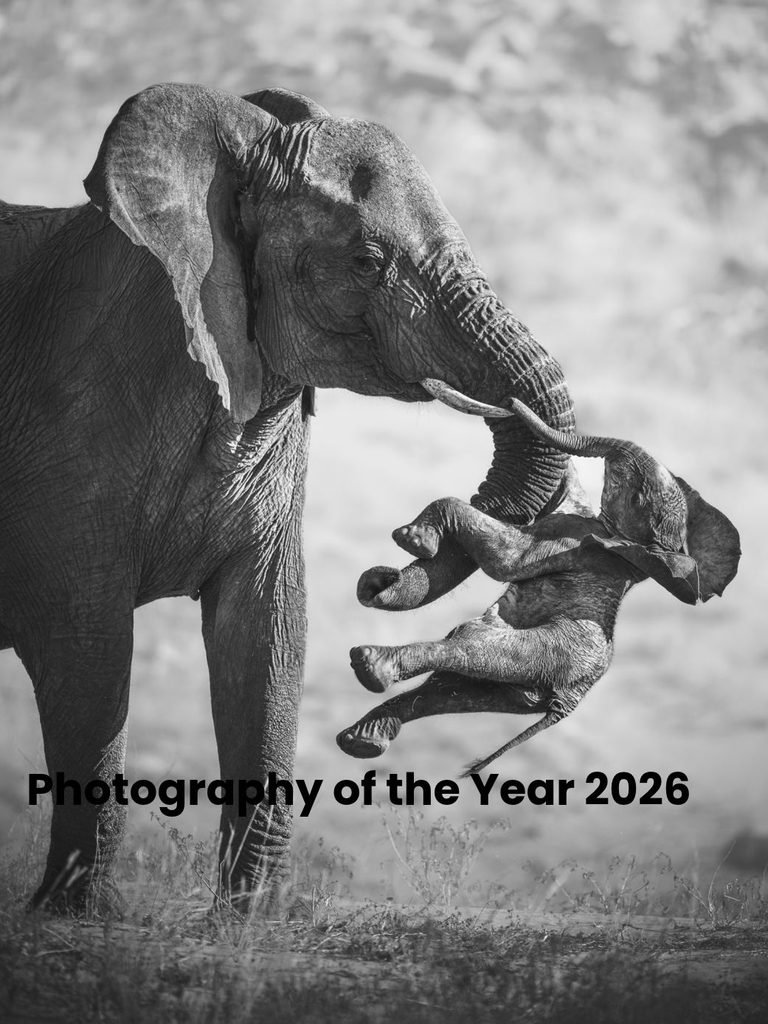
The 2026 competition also marked a first in its 62-year history: both the adult and young overall winners were recognised for black-and-white photographs. The adult overall winner was Italian photographer Federico Veronesi, whose image, The Aftermath, shows a female elephant carrying her deceased calf in Namibia. This is separate from Whitfield’s young title and beetle photograph.
Why this news matters for SSC and Railway exams
This award can be revised under current affairs, awards, environment and ecology, and international organisations or institutions. Remember the distinction between the young and adult winners, as questions may test the photographer, photograph, subject or location.
Exam-ready revision points
- Wildlife Photographer of the Year is organised by the Natural History Museum, London.
- Oscar Whitfield won the young overall title in 2026.
- His winning photograph is called Labour of Love.
- The photograph features a dung beetle and was taken in Zimbabwe.
- Federico Veronesi won the adult overall title with The Aftermath.
- Dung beetles contribute to dung decomposition and nutrient recycling.
Quick quiz
1. Who won the 2026 Young Wildlife Photographer of the Year title?
A. Federico Veronesi
B. Oscar Whitfield
C. Chris Packham
D. Megan McCubbin
Answer: B. Oscar Whitfield
2. What is the title of Whitfield’s winning photograph?
A. The Aftermath
B. Eye of the Storm
C. Labour of Love
D. The Art of Flying
Answer: C. Labour of Love
3. Which organisation runs Wildlife Photographer of the Year?
A. Natural History Museum, London
B. Zoological Survey of India
C. United Nations Environment Programme
D. International Union for Conservation of Nature
Answer: A. Natural History Museum, London
Conclusion
Oscar Whitfield’s Labour of Love turns a close observation of a dung beetle into a memorable wildlife photograph. For exam preparation, remember the young award winner, the image title, its Zimbabwe setting and the ecological role of dung beetles. The adult overall winner was Federico Veronesi, so keep the two 2026 titles distinct.
Keep revising current affairs alongside environment and ecology topics to strengthen your SSC and Railway exam preparation.